







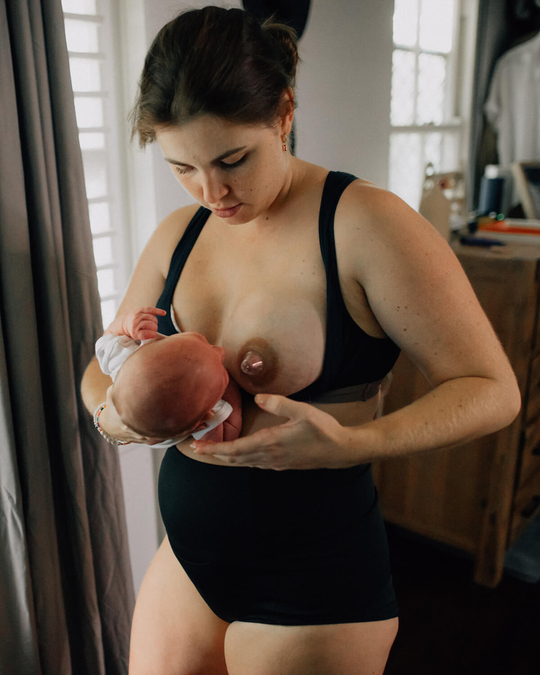
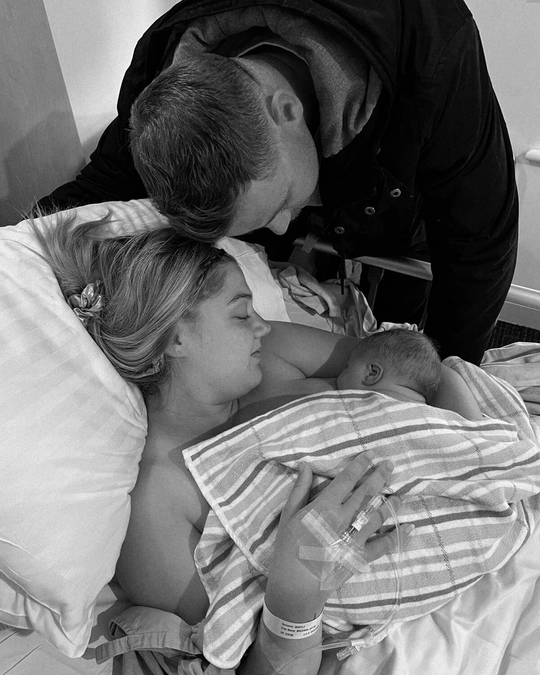
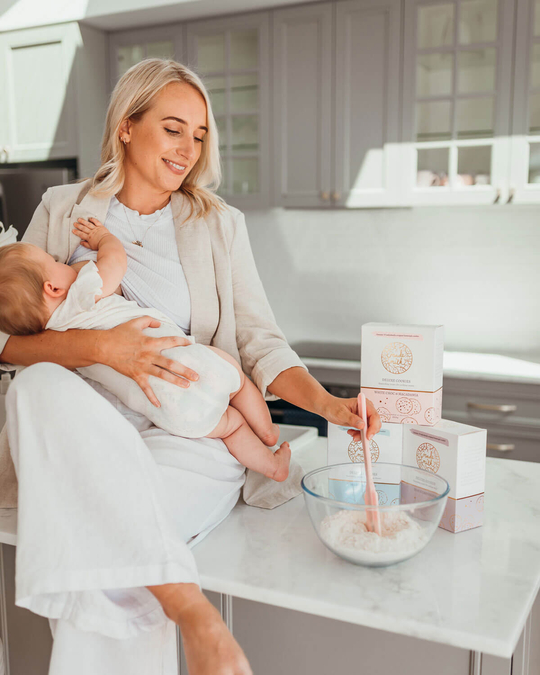

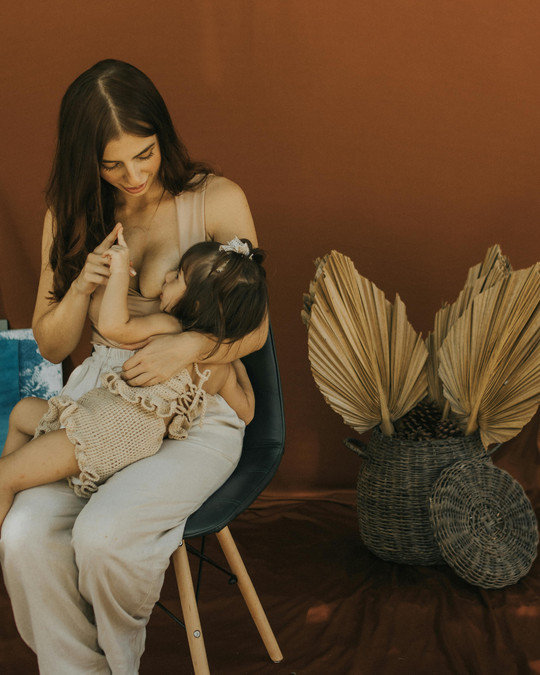




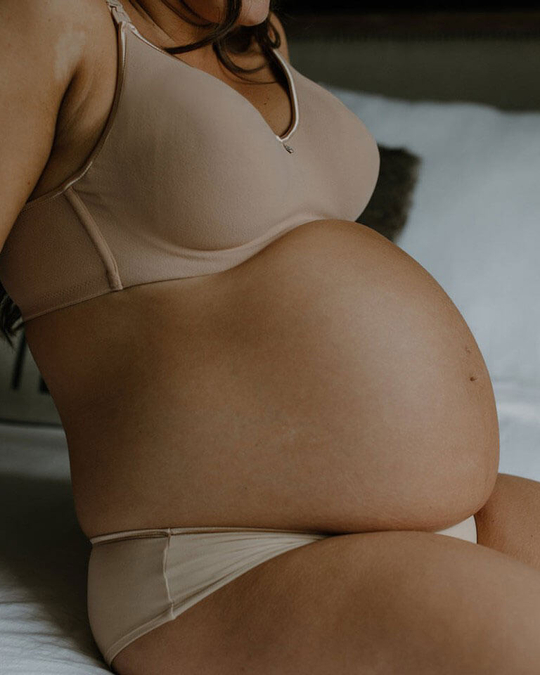

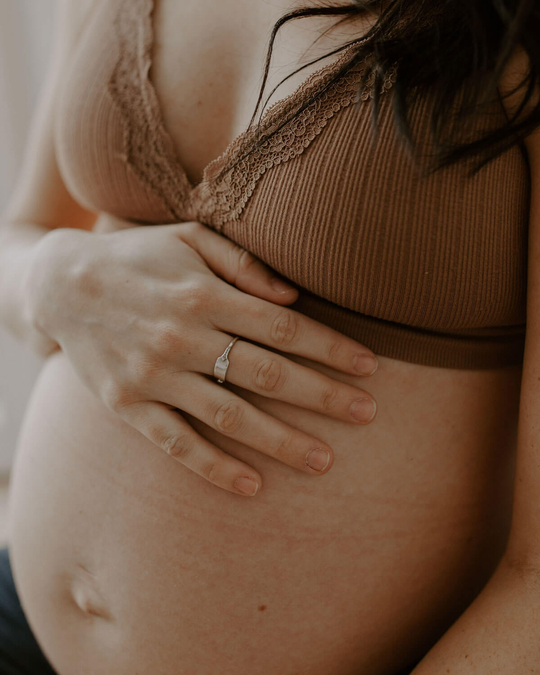
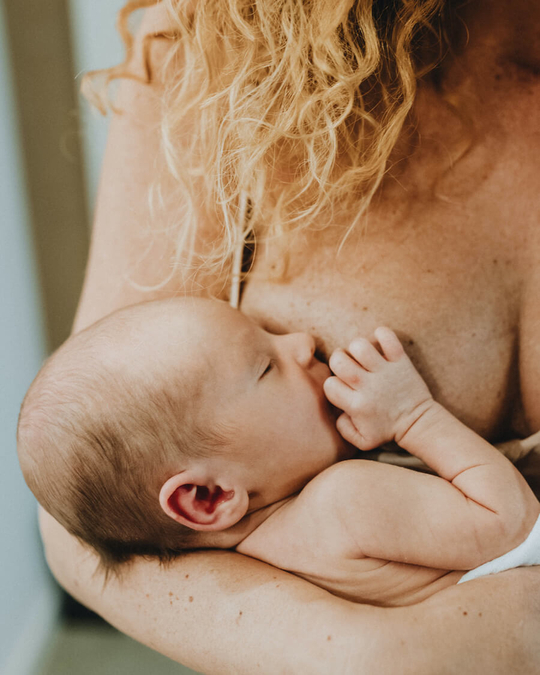





























When you first find out you’re pregnant, your whole life suddenly becomes about the life growing inside of you. You notice the changes happening to your body, but you’re not exactly sure what to do to support them.
One of the most notable, and earliest, changes that occurs is breast growth. If this is your first baby, you’d be forgiven for wondering when to buy nursing bras, or even, what is a nursing bra?
That’s why we’re breaking down all the ins and outs of buying nursing bras today, so you can put all your energy and focus into your growing baby, rather than your growing breasts.
Why do I need a nursing bra?
Now, technically you don’t need a nursing bra like your baby needs nappies, but they’ll make life a lot easier and are considerably more comfortable than a regular bra.
A few practical benefits include:
- Easy feeding access: Drop-down cups or pull-aside designs make breastfeeding more convenient, particularly when feeds are frequent.
- Comfort and flexibility: Stretchy fabrics and adjustable bands and straps, can accommodate changes in breast size and fluctuations throughout the day.
- Support: A well-fitting bra helps support the weight of your breasts and can improve comfort, especially through your shoulders and back.
- Everyday practicality: Some styles are designed for sleeping, lounging, everyday, high-impact sports, or simply keeping breast pads in place.
A supportive nursing bra is designed to accommodate the changes that come with pregnancy and breastfeeding. Fit is important, so avoid anything that digs in, feels restrictive or puts uncomfortable pressure on your breasts.
The right fit can also make a real difference to your day-to-day comfort. Good support can ease strain on your breast tissue and ligaments, and help take pressure off your back and shoulders.
Of course, not all bras are designed the same way. Understanding the differences between maternity bras, nursing bras and everyday bras can help you decide what will work best for you.
What is a nursing bra and how does it differ from other bras?
At first glance, the most obvious difference between a nursing bra and an everyday bra is breastfeeding access, be that via a drop down or pull aside cup. Maternity bras add another layer to this, focusing on comfort and flexibility rather than feeding access. There are, however, a lot more subtle differences that also affect the quality and fit of each.
- A maternity bra is designed to accommodate the changes your breasts may go through during pregnancy. Comfort, stretch and adjustability are important features as your body changes.
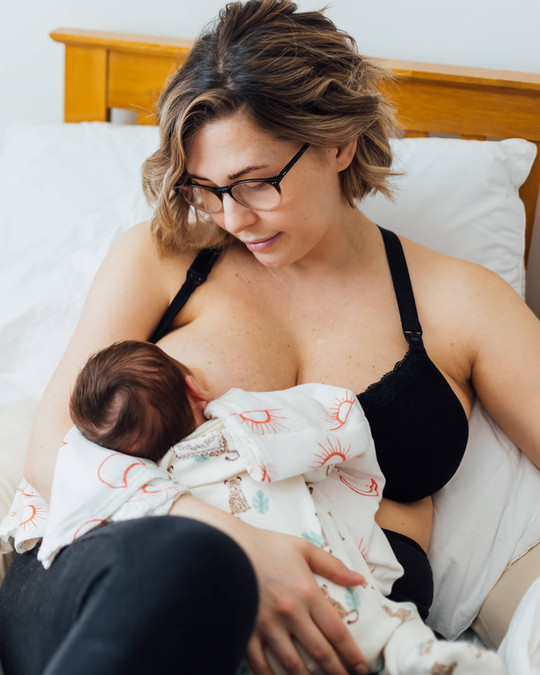
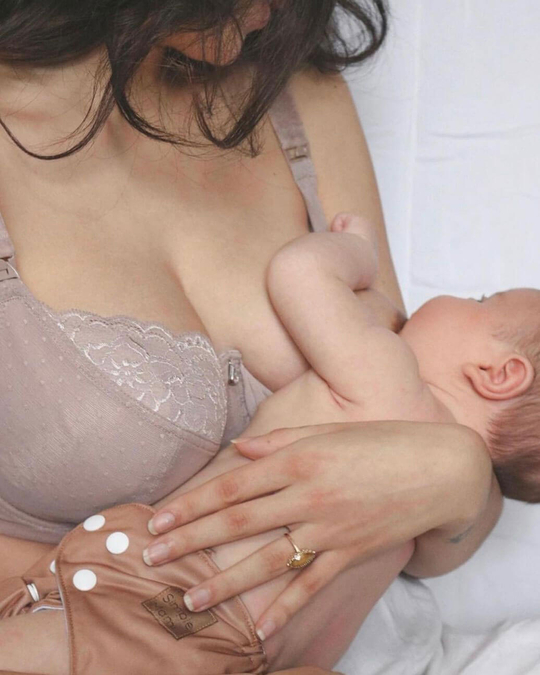
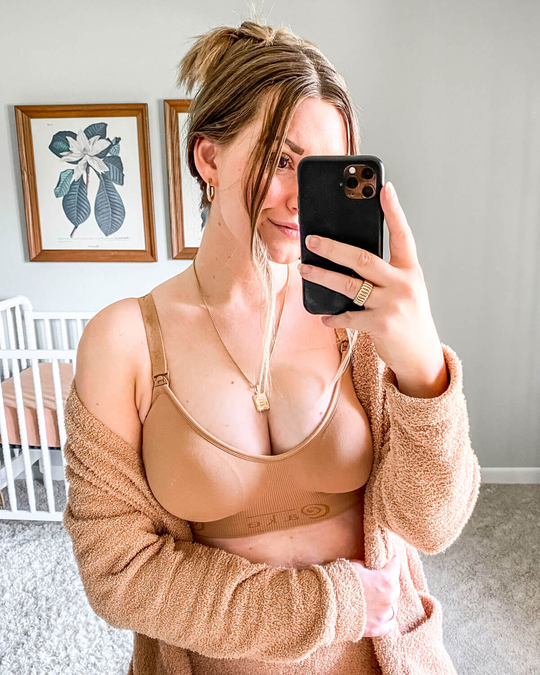
- A nursing bra is designed to make breastfeeding easier, usually with drop-down cups, nursing clips or pull-aside access. Many nursing bras also incorporate the flexible fit and comfort features needed during pregnancy.
- An everyday bra is generally designed for regular (non-nursing or maternity) support and shape, but may not offer the flexibility, comfort or feeding access needed during breastfeeding.
The good news is that you don’t necessarily need separate bras for pregnancy and breastfeeding. Many styles are designed to serve both purposes, allowing you to start wearing them during pregnancy and continue using them after your baby arrives.
| Feature | A Quality Nursing Bra | An Everyday Bra |
| Cup | Supportive lower cup and flexible upper cup for fluctuations | Sturdy cups with minimal stretch for shape |
| Wires | Soft flexible wires or no wires to shape and support the bust | Strong wires to push and hold the bust |
| Sling | Folded edge side sling or A frame sling to hold bust in place when nursing | No slings |
| Nursing Access | Nursing clips for breast access | No nursing access |
| Seams | Linings and seams are soft and invisible against the nipple | Possible hard/scratchy seams over the nipple |
| Hooks & Eyes | 6 hooks and eyes for ribcage expansion and contraction | Usually only 3 hooks and eyes |
| Straps | Straps are wide and sturdy | Straps can be thin and stretchy |
| Layer | Double layered | Usually single layered |
| The Bra | Durable and able to be worn for 24 hours a day | Can become uncomfortable and only meant for 8 hours wear a day |
Why timing matters
So, why not buy all your nursing bras as soon as you find out you’re pregnant?
The tricky part is that your breasts and ribcage can change considerably throughout pregnancy, and again after birth. A bra that fits comfortably in the second trimester may feel quite different by the time you’re ready to breastfeed.
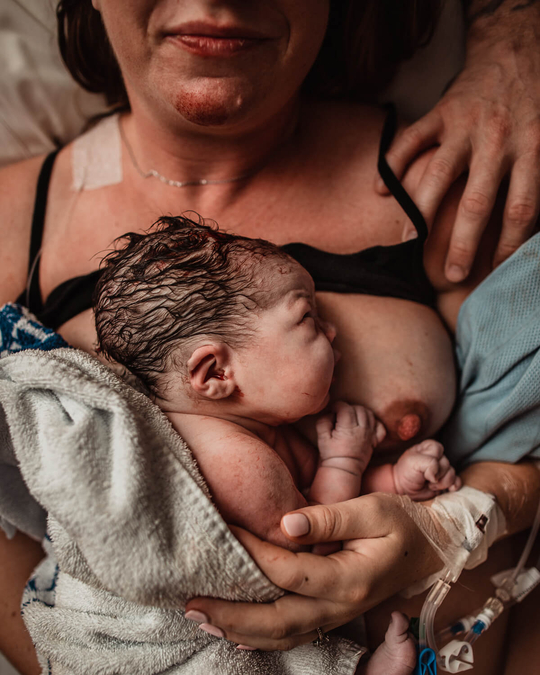
When your milk comes in, usually around days 3–5 after birth, your breasts may become fuller and more swollen. Their size and fullness can then fluctuate before and after feeds while your milk supply regulates. This can take about 6–8 weeks.
You might also like: How Breast Changes During & After Pregnancy
Buying everything too early can mean your bras no longer fit when you need them. Waiting until after birth, on the other hand, may leave you trying to find comfortable bras while recovering and adjusting to life with your newborn.
A practical approach is to buy a few multi-cup fitting nursing bras towards the end of pregnancy, then reassess your fit once your milk supply becomes more established. That way, you have what you need to get started without trying to predict every size and style you’ll need in the months ahead.
Remember, every mama is different, and your body’s changes are unique to you and can even differ from one pregnancy to the next.
When is the best time to buy nursing bras?
For most women, the third trimester is a practical time to buy their first nursing bras, usually around 32–36 weeks of pregnancy. You can then reassess your fit and buy additional bras around 6 to 8 weeks after birth, when your milk supply and therefore your breast size may be becoming more stable.
If you’re planning on breastfeeding, we recommend you pick up a nursing bra around the 8th month of pregnancy. This is because your cup size may be closer to the size you’ll need once your milk supply has regulated. Bear in mind your ribcage will most likely contract postpartum, so you should always fit a bra on the loosest hook if you’re buying at this stage.
Every pregnancy is different, however, and you may need a comfortable, supportive bra much earlier. There’s no need to wait if your current bras are no longer fitting, feel comfortable or aren’t supporting you.
Stage by Stage:
| Stage | What to Buy | Why |
| First trimester | Comfortable, stretchy maternity bras if needed | Early breast changes and tenderness |
| Second trimester | Supportive maternity bras if your size has changed | Your bust and ribcage may continue to grow |
| 32–36 weeks | First nursing bras (2–3) | Prepare for feeding and pack your hospital bag |
| 6–8 weeks postpartum | Additional bras if needed, after reassessing fit | Your size and fullness may be becoming more predictable |
First and second trimester
It’s generally worth waiting until later in pregnancy before buying several nursing bras, as your size may continue to change. However, there’s no reason to persevere with an uncomfortable bra. The first trimester is when you should be ditching your everyday wired bras for something seamless that can flex and grow with you.
A comfortable maternity bra with stretch, a supportive band and adjustable fastenings can help accommodate your changing shape. You can also wear a nursing bra during pregnancy if you find one that fits well.
Third trimester: The sweet spot
Around 32–36 weeks is a useful time to buy your first nursing bras for two main reasons. Firstly, your breast size may be closer to the size you’ll need after 6–8 weeks of breastfeeding. Secondly, buying ahead gives you time to try on your bras and master the drop-down cup action.
Starting with two or three bras is usually a sensible option. It gives you a few to rotate through without committing to a whole collection before you know what works for you.
If your baby arrives earlier than expected, having a comfortable nursing bra ready can be helpful. If you’re shopping earlier in pregnancy, focus on fit and flexibility rather than buying a larger size in anticipation of future growth. A well designed nursing bra will be able to fit you whilst allowing for the fluctuations of breastfeeding.
After the baby arrives
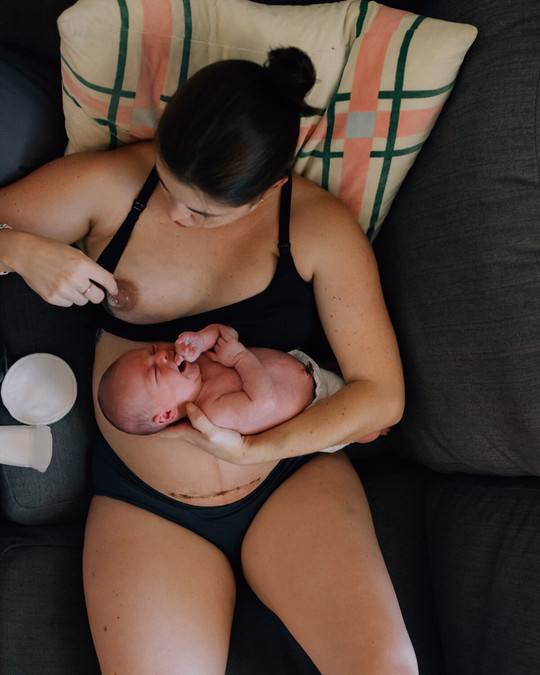
Your breasts may become noticeably fuller when your milk comes in, commonly around days 3–5 after birth. This can bring temporary swelling and changes in cup size, with further fluctuations as breastfeeding becomes established.
During these early weeks, a soft, flexible nursing bra that accommodates changes in fullness can be particularly useful.
Around 4–6 weeks postpartum, consider reassessing your fit and buying additional bras if needed. Your size may still change beyond this point, so let comfort and fit guide your decision.
Needing a second round of bras is completely normal. It doesn’t mean you bought the wrong size the first time; it simply reflects the changes your body is going through.

When should you start wearing a nursing bra?
Buying a nursing bra and starting to wear one are two different things. You don’t have to wait until your baby arrives to wear it.
If you find a nursing bra comfortable during pregnancy, you can start wearing it whenever you like. Many styles are designed to work as maternity bras too, with flexible cups, stretchy fabrics and adjustable bands to accommodate changes in your shape.
You might choose to wear one before birth because your regular bras have become uncomfortable, you prefer the flexibility of a nursing style, or you want to get familiar with the clips before breastfeeding begins.
Look for a good fit rather than buying a bra that is deliberately too large. Features such as multiple hook settings and flexible fabrics can accommodate some changes, but the bra should still feel supportive and comfortable now.
There’s no set time when you need to switch to a nursing bra. If it feels good and suits your needs, you can wear it throughout pregnancy and beyond.
How many nursing bras do I need?
This all depends on what your day-to-day activities are, if you’re working, wearing t-shirts, pumping, running or just running off your feet. We usually recommend a minimum of 3:
- One in the wash.
- One in the drawer (or most likely still in the washing basket).
- One on your body.
Three is a useful starting point, but the number you’ll need depends on your routine and personal preference. If you leak milk, prefer a fresh bra each day or don’t do laundry frequently, you may find you need a few more.
You might also want to consider different styles for different activities:
- Everyday nursing bras: Two or three versatile styles for regular wear.
- Sleep or lounge bras: One or two soft options if you prefer wearing a bra overnight or want somewhere to hold breast pads.
- Nursing tanks or bralettes: Optional extras for layering or relaxing at home.
- Sports nursing bras: Useful if you exercise and want additional support.
- More structured nursing bras: Worth considering later if you prefer a more defined shape or a particular level of support.
Starting with a small collection makes sense because your size and preferences may change after birth. You can add to it once you have a better idea of what feels comfortable and suits your routine.
| Bra Type | Suggested Quantity | When to Buy |
| Everyday nursing bra | 2–3 | Anytime or more size specific: around 32–36 weeks |
| Sleep/lounge bra | 1, optional | Late pregnancy or whenever needed |
| Nursing tank/bralette | 1, optional | Whenever it suits your routine |
| Supportive/flexi-wire nursing bra | As needed | Once you’re comfortable with your fit |
| Sports nursing bra | 1, optional | When returning to exercise or when needed |
These quantities are a guide rather than a shopping list you need to complete before birth. Start with what you’ll use most, then build from there.
What should I look for when buying a nursing bra?
This depends on what your needs are in terms of size, function, stage of nursing and personal taste. As a starting point, look for:
- Easy one-handed clip access.
- Soft, breathable fabric.
- Flexible cups that accommodate changes in fullness.
- A supportive band and comfortable straps.
- No underwire, or flexible underwire if you prefer it and it fits comfortably.
- Good support without uncomfortable pressure or restriction.
Size
No matter your size, you’ll want to have a supportive nursing bra due to your breasts being heavier and needing more care and comfort (and access). If you are already a larger size, then look for something that has the following:
- Double layer.
- Supportive lower cup.
- Top-cup stretch or give to allow for fluctuations.
- Wide straps.
- Supportive back band.
- Soft and breathable fabrics.
- Inverted or concealed seams over the nipple.
- Check out our Shop by Bra Size page and find nursing bras we currently have in your size.
Function
Aside from the obvious need for breastfeeding functionality, your daily activities can determine the style of bra you need. Some examples include:
- Sleeping.
- Pumping.
- Jogging.
- A style for when you want to feel dressed up.
- Discreet t-shirt bra.
- Lounge around the house bra.
- Plunging neckline.
Stage
0-3 Months Pregnant
During this stage we recommend not wearing a wire, but opting for something seamless that is comfortable and will move and grow with you, whilst still offering support for your quickly changing breasts.


3-9 Months Pregnant
Your size is more stabilized and therefore wearing a flexible wire is okay.
Tip: If you’re being fitted towards the end of your pregnancy, remember that your ribcage will decrease after you’ve had your baby. So, you can go down a band size and up a cup size (sister sizing) to ensure your bra will fit you better for longer.


0-6 Weeks Postpartum
Once again, the seamless bra is what we recommend for this stage. The increase in cup size can be quite dramatic and the need for comfort is far greater than your first trimester.
During this time your breasts will be going through major fluctuations and possible engorgement (here’s hoping not!), and your baby will need to access them around 9 times per day.
For these reasons, a supportive seamless bra is perfect for this stage as it’s designed with the following features:
- Silky soft double layers, seamless design offering wire-free support.
- Easy feed drop-down cups.
- Ability to fit multiple cup sizes to support and fit you whether you’ve just fed or not.
- Inner side sling with knitted contour support panels.
- 6 hook and eyes for ribcage expansion and contraction.
- Zero itchy garment tags.
- Heat-moulded cups for breast capacity (non-flattening).


6+ Weeks Postpartum
Your milk flow should be more regular by now and your bra size therefore stabilized. For this reason, you can go into a well-designed flexible wired bra as they have the following:
- Stretchy top cup to allow for ongoing fluctuations.
- Flexible wires that flex in 4 directions.
- Graduated strength (as the size of the bra increases) for support, lift and shape.
- Easy-feed drop down cups with cotton lined side sling.
- 6 hook and eyes for ribcage expansion and contraction.


FAQs
Can I buy nursing bras too early?
You can buy nursing bras early in pregnancy, but your size may change before you need them. If you’re shopping in the first or second trimester, consider starting with a comfortable, flexible style and waiting until later to buy additional bras.
Can I wear a nursing bra during pregnancy?
Yes. A nursing bra can be worn during pregnancy if it fits comfortably. Many styles are designed to accommodate changing breast size and can be used as maternity bras before your baby arrives.
Can I wear a nursing bra before the baby is born?
Absolutely. You don’t need to wait until breastfeeding begins. Wearing one before birth can help you get comfortable with the fit and feeding features, and means you’ll have a bra ready for the hospital or home.
How to find the best nursing bras and maternity bras?
Consider your current fit, the support you need, how much flexibility you want and whether you’ll be wearing the bra during pregnancy as well as breastfeeding. Look for comfortable fabrics, adjustable fastenings and a design that suits your everyday routine.
Should I wear a nursing bra to bed?
That’s entirely up to you. Some people find a soft sleep bra comfortable or useful for holding breast pads in place, while others prefer not to wear a bra overnight. Choose whichever feels most comfortable and avoid anything restrictive.
Do I need to be professionally fitted?
Not necessarily, but a professional fitting can be helpful if you’re struggling to find a comfortable fit, particularly if you have a fuller bust or your size has changed considerably. You may also find it useful to reassess your fit after birth.
How long do nursing bras last?
This will all depend on how much you take care of them and the rigors of life, your washing technique and how often they are being worn. If you follow the care instructions, they should last 6 months at least. Fit and support can change over time, so check that the band, cups and straps are still doing their job.
Conclusion
There’s a lot to consider when looking for a nursing bra, but you don’t need to have everything figured out before your baby arrives.
For most people, around 32–36 weeks is a practical time to buy their first nursing bras, with another fit check around 6–8 weeks postpartum if needed. Starting with a few comfortable, adaptable styles gives you the essentials while allowing room for your body to change.
You can wear a nursing bra during pregnancy if it feels right for you, and there’s no single number or style that suits everyone. Focus on comfort, support and a good fit, then add to your collection as you discover what works best for you.
LIKE WHAT YOU READ?
Join CakeMama Club & get 10% OFF your first order!
Plus you’ll get tips + tricks for pregnancy, postpartum & breastfeeding, get member-only offers, earn CakeCoins every time you shop + more. Learn more